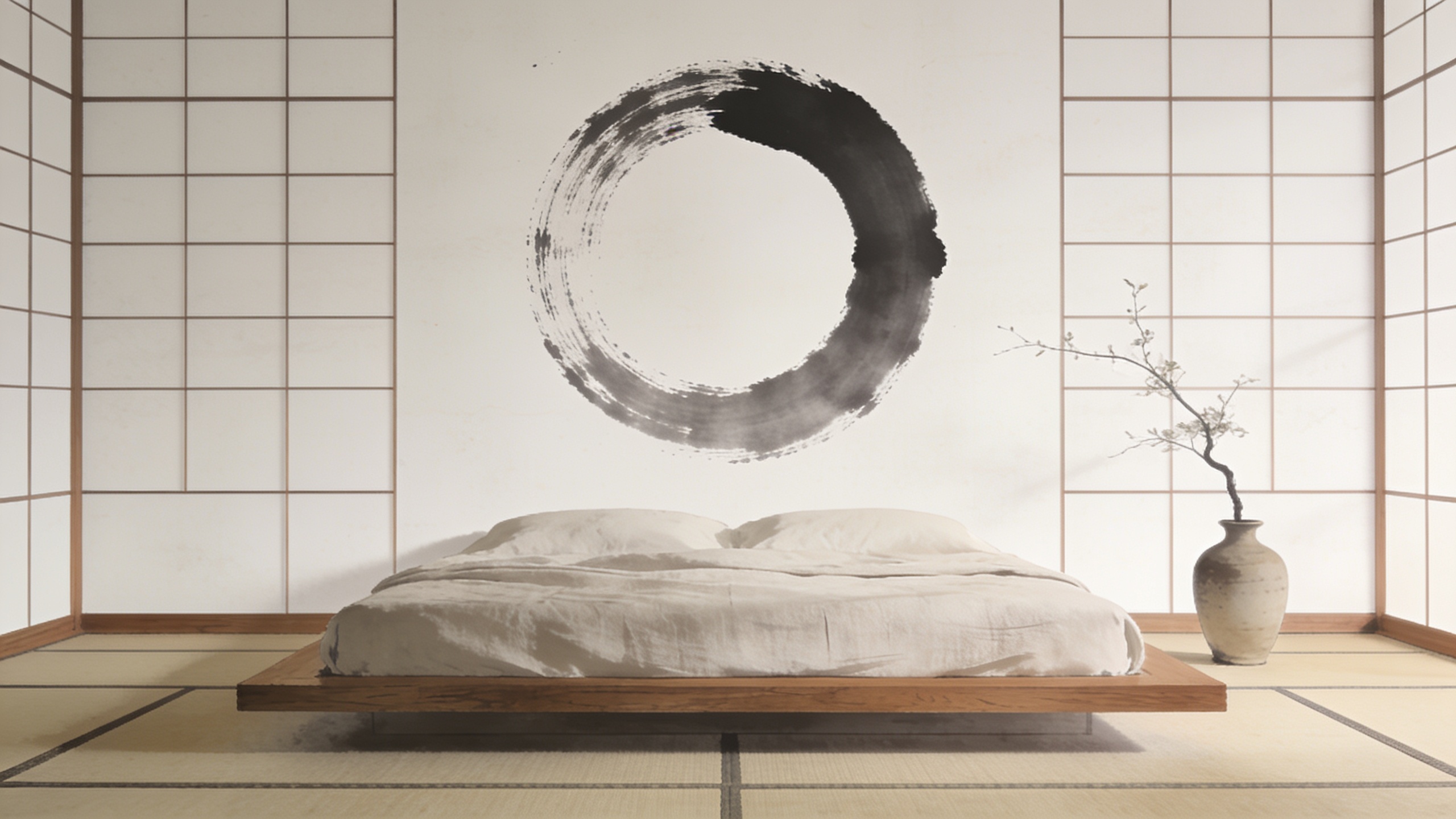
How to Set Up a Classy & Simple Japanese-Style Bedroom
 0
0
 0
0
Most bedrooms accumulate clutter without anyone noticing. A charger here, a stack of magazines there, three throw pillows too many on the bed. A Japanese-style bedroom flips that habit on its head. It asks you to keep only what earns its place in the room, and to let space itself become part of the design.
I’ve spent years studying and applying this style in my own home, and the payoff is real. You sleep better in a room that isn’t visually shouting at you. You feel calmer walking into it after a long day. And you don’t need a big budget or a total renovation to get there. You need discipline, a handful of the right materials, and a clear sense of what to leave out.
The Philosophy Behind the Look
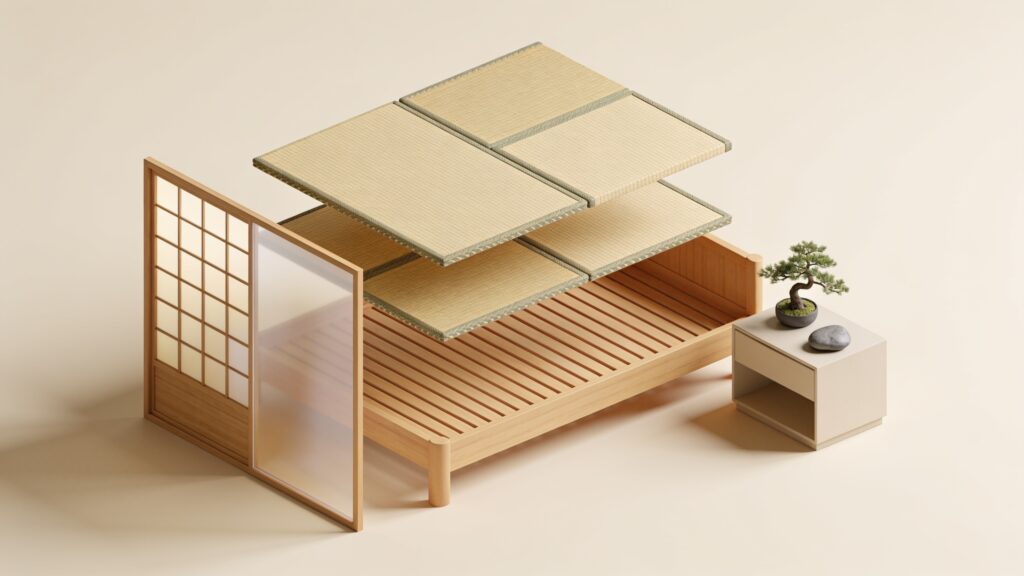
Japanese interior design draws from a few core ideas that matter more than any specific product you buy. Understanding them first will save you from making expensive mistakes later.
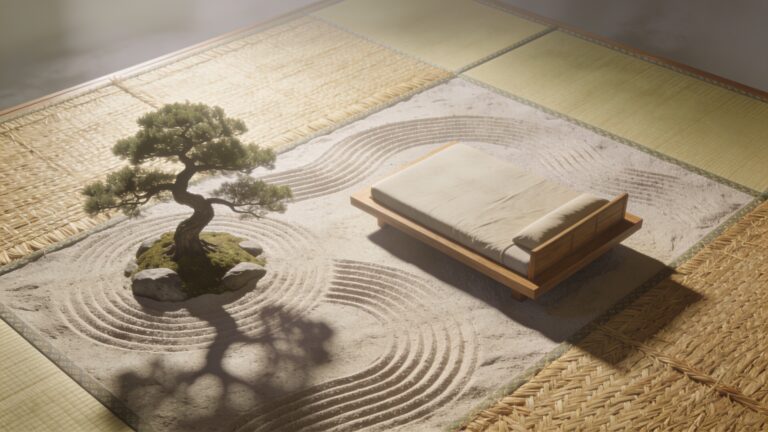
Ma refers to the intentional use of empty space. In Western design, empty space often reads as unfinished or lacking. In Japanese design, that same space is the point. It gives the eye somewhere to rest and gives the few objects in the room room to breathe.
Wabi-sabi is the appreciation of imperfection and natural aging. A slightly uneven ceramic vase or a wood grain with visible knots isn’t a flaw here. It’s the texture that makes a space feel lived-in and honest rather than showroom-sterile.
Shizen, or naturalness, pushes you toward materials that come from the earth and show it. Wood, paper, stone, and cotton all fit. Glossy plastic and heavy synthetic fabrics fight against the whole aesthetic.
Start With the Bed
The bed is the single biggest visual element in any bedroom, so get this right and half your work is done.
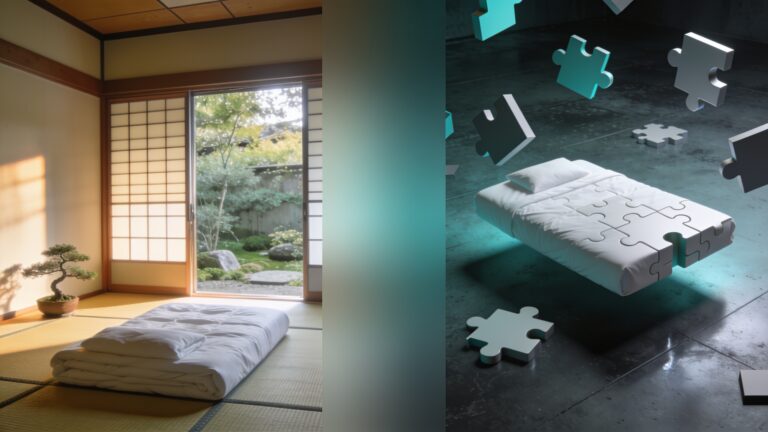
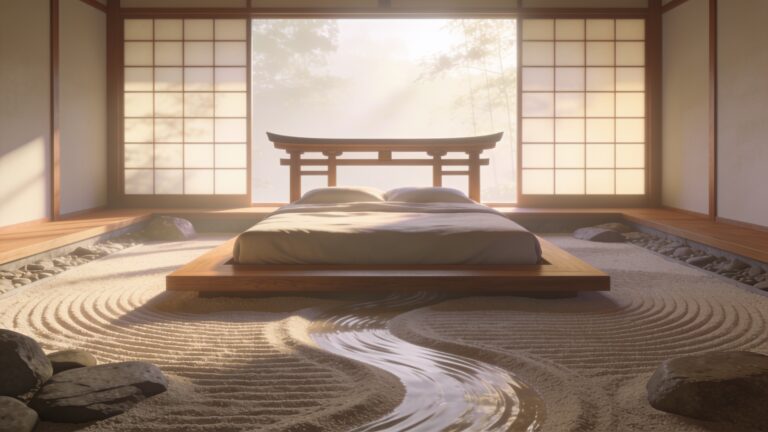
A low platform bed, ideally 8 to 14 inches off the ground, is the classic choice. It mimics the proportions of a traditional futon setup and immediately lowers the visual weight of the room. If a full platform bed doesn’t fit your budget, a simple wood bed frame with clean lines and no ornate headboard gets you 80 percent of the way there.
Skip the tall, padded, tufted headboards entirely. They read as heavy and hotel-generic, which works against the calm you’re building. If you want something behind the bed, a plain wood panel or nothing at all does the job better.
For bedding, go with:
- Solid colors in muted tones like ivory, sage, charcoal, or soft indigo
- Natural fibers such as cotton, linen, or cotton blends
- A maximum of two to three pillows on the bed at any time
- One folded blanket at the foot of the bed instead of a decorative throw pile
Color Palette and Materials
Color choice makes or breaks this style faster than anything else. A Japanese-style bedroom uses a narrow, restrained palette rather than an anything-goes approach.
| Element | Recommended Choice | Avoid |
|---|---|---|
| Walls | Off-white, warm gray, soft beige | Bright white, bold patterns |
| Flooring | Light or medium wood, tatami mats | Dark carpet, high-gloss tile |
| Textiles | Cotton, linen, hemp | Velvet, faux fur, shiny polyester |
| Wood tones | Natural oak, cedar, walnut | Painted or laminate furniture |
| Accent color | One muted tone (moss green, rust, indigo) | Multiple bright accent colors |
Stick to one or two wood tones throughout the room. Mixing a light oak nightstand with a dark walnut dresser breaks the visual harmony you’re trying to build. Pick one wood family and commit to it across every piece of furniture.
Furniture: Less Is the Whole Point
This is where most people struggle, because Western bedroom sets come pre-packaged with six or seven pieces. A Japanese-style bedroom rarely needs more than four.
A low platform bed, one or two nightstands, a simple dresser or chest, and maybe a single chair or bench covers everything. That’s it. Each piece should have clean, straight lines with no carved details, no ornate hardware, and no bulky proportions.
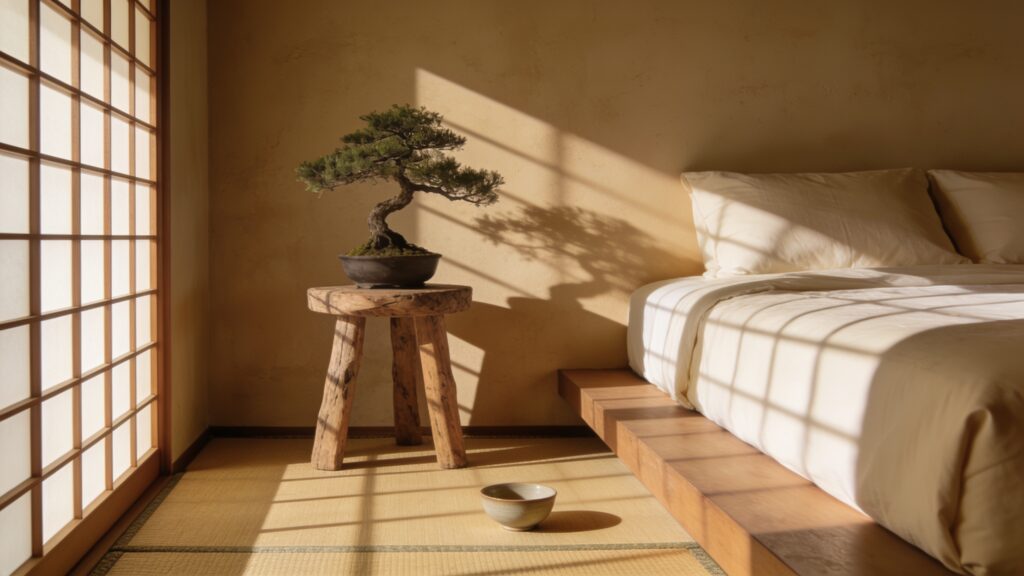
Shoji screens are worth considering if you want to divide a room or soften window light. A shoji screen made from wood lattice and translucent paper filters sunlight into a soft, even glow instead of harsh direct rays. You can buy freestanding versions that don’t require any construction work, which makes this one of the easier authentic touches to add.
If storage is a concern, look for pieces with hidden compartments rather than open shelving. Open shelves invite clutter to pile up in view, which undercuts the whole aesthetic within a month of moving in.
Lighting That Sets the Mood
Harsh overhead lighting is the enemy here. A single bright ceiling fixture flattens the room and kills the calm atmosphere you’ve built with everything else.
Go with layered, low lighting instead. A paper lantern-style floor lamp, a small table lamp with a rice-paper shade, and possibly a dimmer on any overhead light give you control over the mood at different times of day. Warm-toned bulbs, in the 2700K to 3000K range, matter more than people expect. Cool white light makes natural wood look sickly and clashes with the whole warm, grounded feeling you’re going for.
Candles or a simple diffuser with a woody scent like hinoki or sandalwood round things out without adding visual clutter.
Decor: The 80/20 Rule
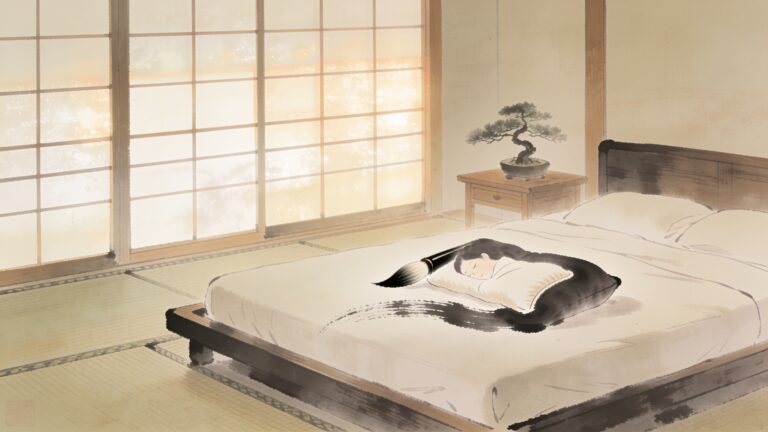
Decorate like you’re curating a small museum exhibit, not filling a room. A single piece of pottery, one framed piece of minimalist art, a small bonsai or bamboo plant, and maybe one calligraphy scroll is plenty for an entire bedroom.
Every object should earn its spot. Before adding anything to a shelf or nightstand, ask if it adds calm or just adds stuff. If you can’t answer with a confident yes, leave it out. This single habit does more for the finished look than any single piece of furniture you could buy.
Bringing It All Together
A Japanese-style bedroom rewards restraint over spending. You don’t need an expensive shopping spree, you need a clear filter for what stays and what goes.
Here’s the short version to keep in mind as you set the room up:
- Choose a low platform bed and skip the heavy headboard
- Stick to one wood tone and a narrow, muted color palette
- Furnish with four pieces or fewer
- Layer warm, low lighting instead of one bright overhead fixture
- Decorate with a small number of meaningful objects, not filler
Start with the bed and the color palette first, since those two decisions shape everything else in the room. Then add furniture piece by piece, checking each addition against the wabi-sabi and ma principles before it earns a permanent spot. The result is a bedroom that feels less like a showroom and more like a place you actually want to sleep.