Tatami Rooms in Modern Japanese Apartments: What Are They For?
 0
0
 0
0
Walk into almost any Japanese apartment listing and you’ll spot it: one room marked with a small icon of woven mats, labeled simply “Japanese-style room” or “washitsu.” In a floor plan otherwise full of Western-style bedrooms and a living-dining-kitchen combo, this single tatami room sticks out. Renters and buyers new to Japan often skip right past it, assuming it’s a relic nobody actually uses. That assumption misses the point entirely.
Tatami rooms survive in contemporary Japanese housing because they solve real problems that Western-style rooms can’t. I’ve lived in apartments with and without them, and the difference in how a home functions day to day is bigger than most people expect. Here’s what these rooms actually do, and why developers keep building them into apartments in 2024.
What a Tatami Room Actually Is
Tatami are mats made from a rice straw or polystyrene core, wrapped in woven soft rush grass called igusa, with cloth borders along the edges. Each mat measures roughly 90 by 180 centimeters, though sizes shift slightly by region. Rooms get measured in mat units instead of square meters, so you’ll see listings advertise a “6-jo room,” meaning a room sized for six tatami mats.
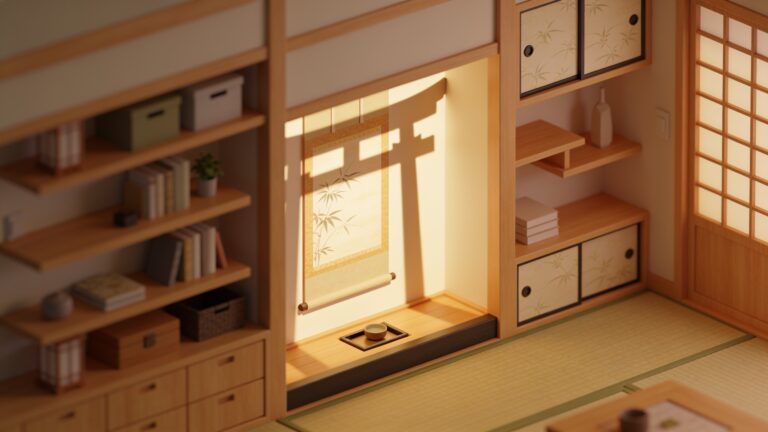
A proper washitsu goes beyond the flooring. It typically includes shoji screens made of paper and wood instead of glass windows, fusuma sliding doors that separate the space from adjoining rooms, and sometimes a tokonoma, a small recessed alcove for displaying a scroll, flowers, or a piece of art. The ceiling height and door dimensions often run slightly lower than in Western rooms too, a holdover from traditional proportions.
Why Developers Still Include Them
Tatami rooms cost more to build and maintain than standard flooring, so their survival in modern construction isn’t accidental. Developers include them because demand still exists, particularly among older buyers, but also among younger renters who want a flexible multipurpose space.
Common reasons tatami rooms remain standard in family-sized apartments:
- They give households a guest room that doubles as something else the rest of the time
- They provide a dedicated space for a butsudan (Buddhist family altar) or kamidana (Shinto shelf), which many families still keep
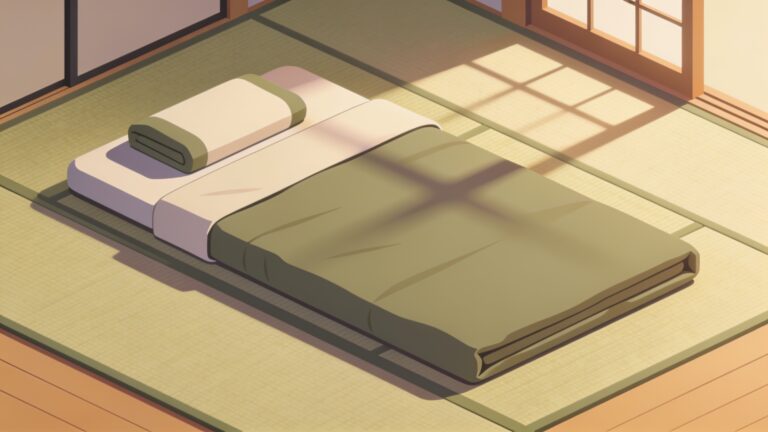
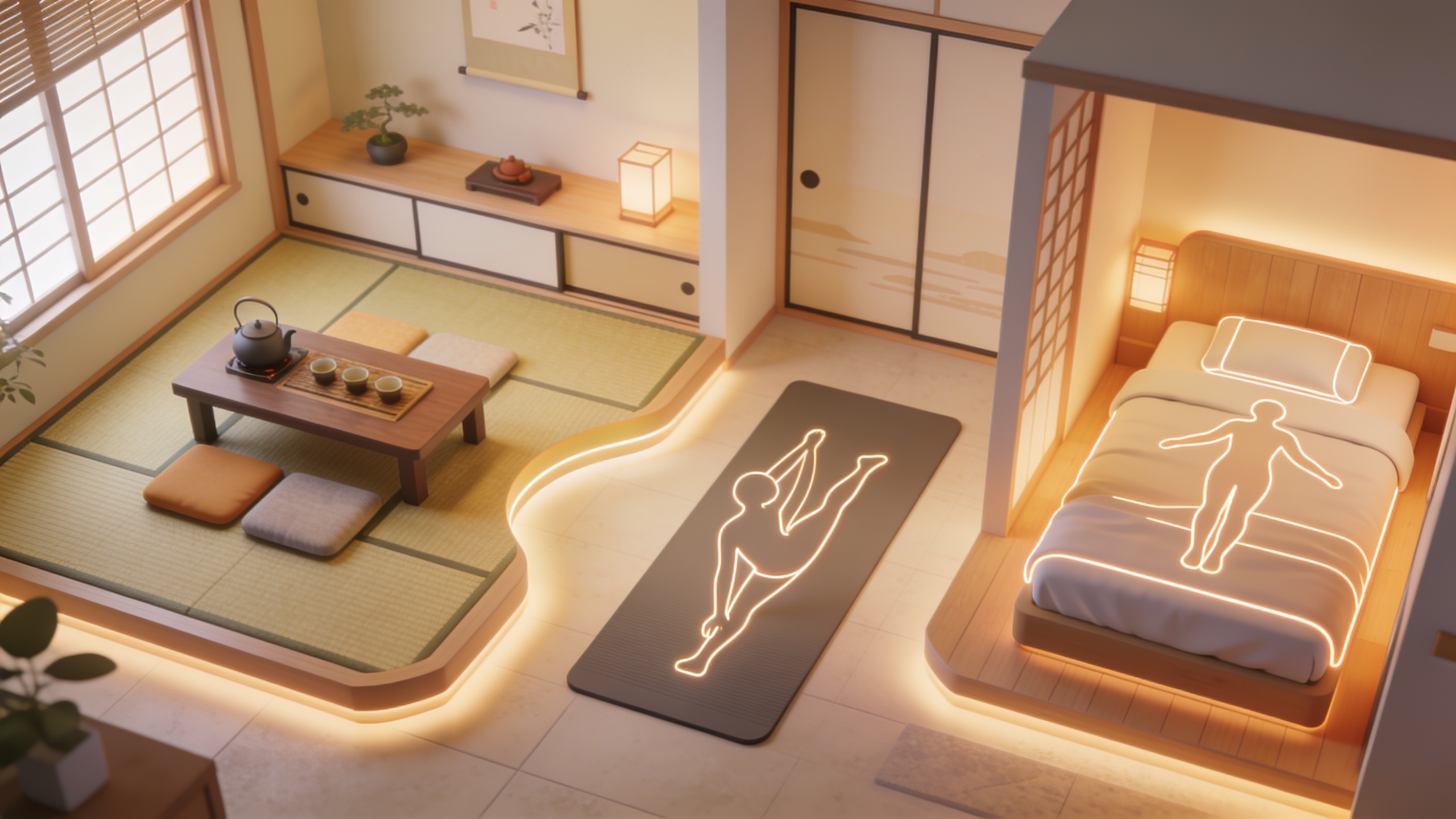
- They offer a place to lay out futons for sleeping, freeing up floor space during the day
- They add resale and rental value, since a chunk of buyers actively look for at least one washitsu
- They give a home a visual and sensory contrast to the rest of the apartment, which some residents find calming
The Practical Functions of a Tatami Room
A Flexible Guest and Sleeping Space
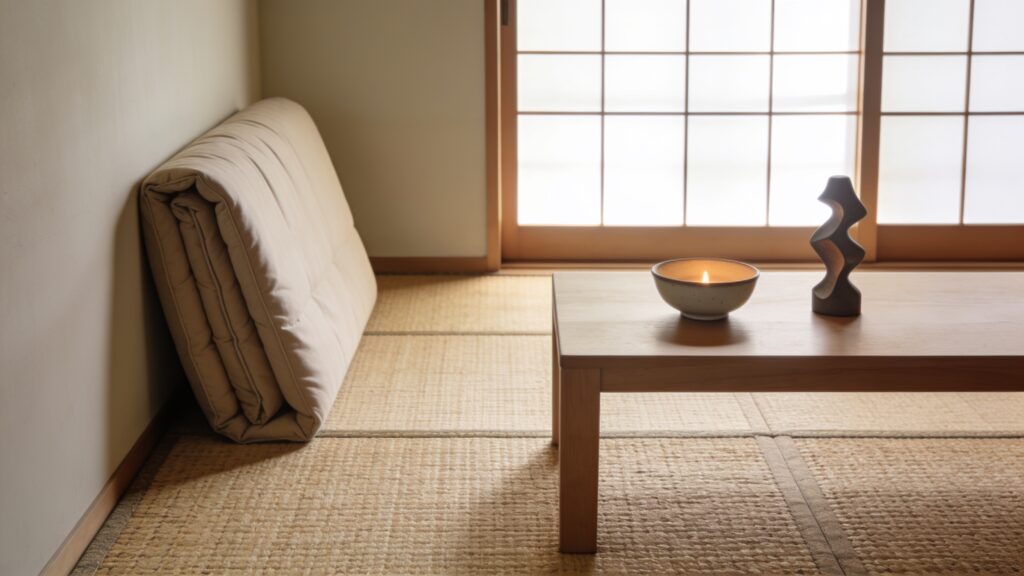
Japanese apartments tend to run smaller than American or European homes, so dedicating an entire room to a bed that gets used a few nights a month is wasteful. A tatami room solves this by staying empty most of the day and becoming a bedroom at night, once a futon comes out of the closet.
This matters more than it sounds. A family with visiting grandparents, a couple expecting occasional houseguests, or a single renter who wants an office by day and a bedroom by night all get more value from one flexible room than from a fixed, single-purpose bedroom.
A Space for Rituals and Objects
Many households, even ones that don’t consider themselves particularly religious, keep a butsudan for deceased family members or a kamidana for Shinto offerings. These objects traditionally belong in a tatami room, partly for aesthetic reasons and partly out of habit passed down through generations. Placing a butsudan in a Western-style room with carpet or wood flooring feels wrong to a lot of people, even if they can’t fully explain why.
A Buffer Room Between Public and Private Life
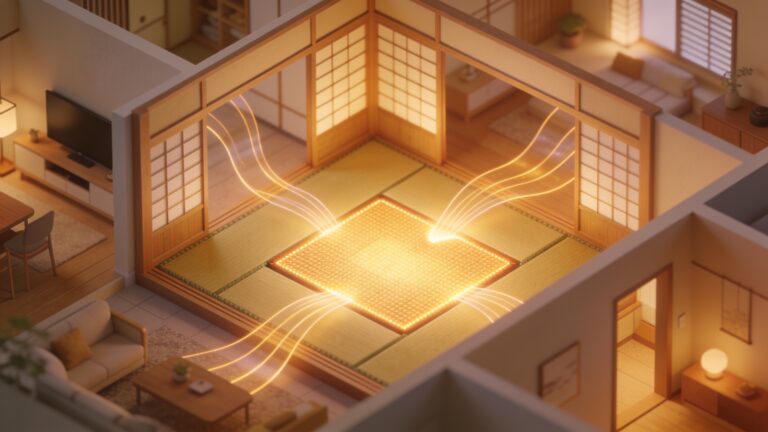
In older apartment layouts, the tatami room often sits closest to the entrance, acting as a reception area for guests who don’t need full access to the rest of the home. A delivery person, a repair technician, or a neighbor dropping off a gift might get invited only as far as this room. It creates a layer of privacy that a fully open Western living room can’t offer.
Tatami Rooms vs. Western-Style Rooms
| Feature | Tatami Room (Washitsu) | Western-Style Room |
|---|---|---|
| Flooring | Woven rush grass mats | Wood, laminate, or carpet |
| Typical furniture | Low tables, floor cushions, futons | Beds, chairs, standing furniture |
| Doors | Sliding fusuma or shoji | Hinged doors |
| Primary use | Multipurpose (sleep, guests, altar) | Fixed use (bedroom, office) |
| Maintenance | Needs periodic mat replacement, airing out | Easier to clean, more durable |
| Cost to build | Higher per square meter | Lower per square meter |
The Maintenance Reality Nobody Mentions
Tatami mats need care that hardwood or laminate flooring skips entirely. They absorb moisture, so poorly ventilated tatami rooms in humid Japanese summers can develop mold if nobody airs them out regularly. The rush grass surface also fades with sun exposure and wears down with heavy foot traffic, especially from chair legs or rolling furniture that never belongs on tatami in the first place.
Most tatami needs replacement or resurfacing every 10 to 15 years, sooner in a rental with heavy turnover. Landlords sometimes charge tenants for tatami replacement at move-out if damage exceeds normal wear, so it pays to know how to treat the mats correctly. That means no shoes, careful furniture placement, and a habit of opening windows on dry days.
Do You Actually Need One?
If you’re apartment hunting in Japan and see a tatami room in the layout, don’t write it off as dead space. Think about how you’d realistically use it. A home office that converts into a guest room a few times a year is a genuinely good use of that square footage. A quiet reading nook away from screens is another. Even using it purely for storage of seasonal items on a raised platform works better than leaving it empty.
If you have zero interest in the traditional aesthetic and don’t want the upkeep, plenty of newer apartment buildings, especially in central Tokyo and Osaka, skip the tatami room entirely now. Both options are legitimate. It comes down to what your household actually needs from its limited square meters.
Key Takeaways
Tatami rooms persist in Japanese apartments because they earn their space through flexibility, not nostalgia. They handle guest sleeping, religious objects, and buffer zones between public and private life, jobs that a single-purpose Western bedroom struggles to do as well. The tradeoff is maintenance: mats need airing, protection from furniture, and eventual replacement.
If you’re moving into a place with a washitsu, spend a little time learning how to care for it properly. Treat it well, and it’ll give your apartment a kind of functional range that a purely Western layout simply can’t match.