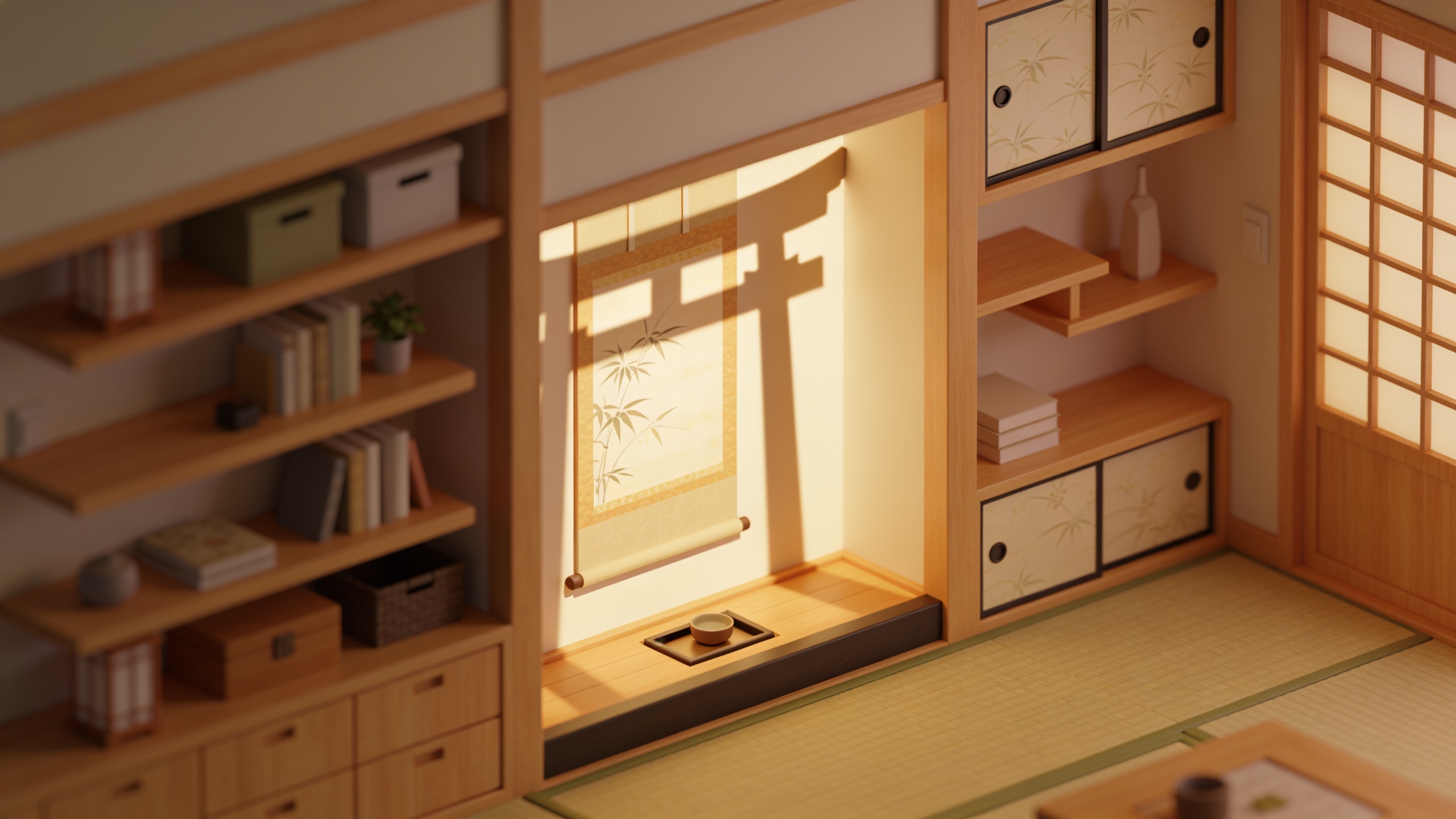
9 Must-Know Principles of Japanese Interior Design
 0
0
 0
0
Walk into a well-designed Japanese room and something shifts in your shoulders. The clutter that usually competes for your attention just isn’t there. Every object has a reason to exist, every surface has room to breathe, and the whole space feels like it’s been edited down to its essence rather than assembled piece by piece.
That feeling isn’t an accident. Japanese interior design comes from centuries of philosophy, craft tradition, and practical necessity, and it operates on principles that most Western design approaches skip entirely. I’ve spent years studying how these spaces work, and I want to break down the nine ideas that actually matter if you’re trying to bring this aesthetic into your own home.
1. Ma: The Power of Negative Space
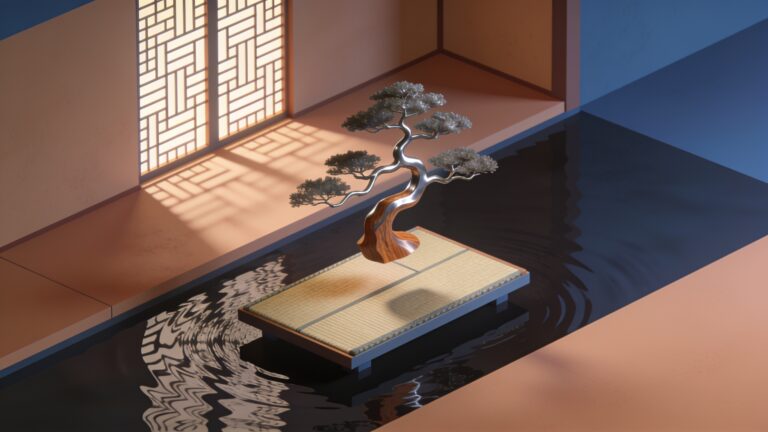
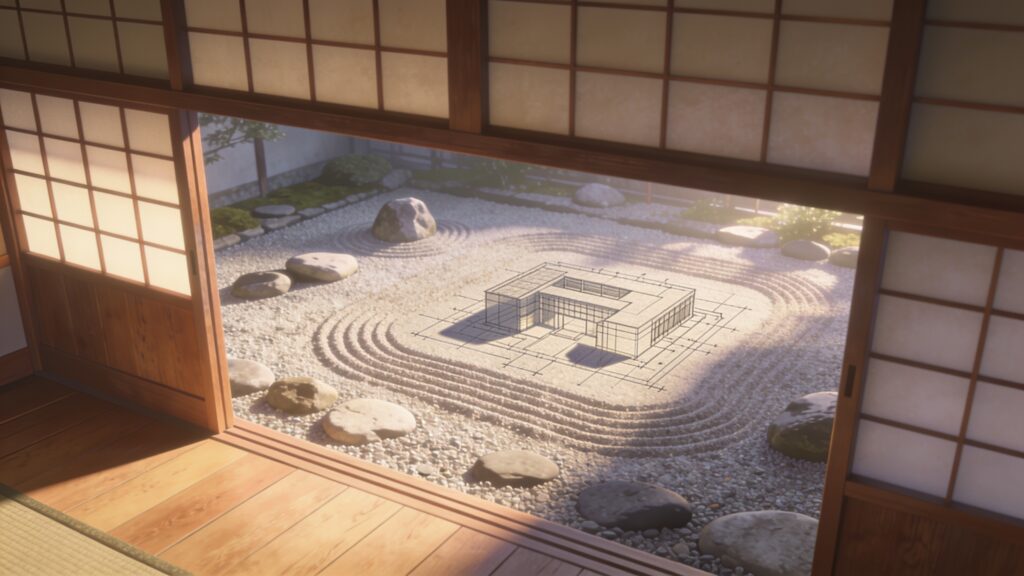
Ma refers to the deliberate use of empty space as a design element in its own right. In Japanese design, the gap between objects carries as much weight as the objects themselves.
Most people fill every corner of a room because empty space feels unfinished to them. Japanese design flips that instinct. A single scroll on a large blank wall, or one chair in an otherwise open room, gives your eye a place to land and lets the object command respect instead of getting lost in visual noise.
2. Wabi Sabi: Beauty in Imperfection
Wabi sabi is the acceptance of imperfection, age, and asymmetry as sources of beauty rather than flaws to hide. A cracked glaze on a ceramic bowl or the visible grain in an unfinished wood beam becomes a feature, not a defect.
This principle pushes back hard against the polished, showroom-perfect look many homeowners chase. Instead of replacing a scratched wooden table, you let the marks tell the story of use. Instead of matching every ceramic piece in a set, you mix pieces with different textures and slight irregularities on purpose.
3. Natural Materials Take Priority
Japanese interiors lean almost entirely on materials pulled straight from nature. Wood, bamboo, paper, stone, and clay dominate the palette, while synthetic materials stay in the background or disappear altogether.
Here’s how the most common materials get used in traditional and modern Japanese spaces:
| Material | Common Use | Why It Works |
|---|---|---|
| Hinoki wood | Flooring, bathtubs, structural beams | Ages well, releases a subtle scent, resists rot |
| Washi paper | Shoji screens, lampshades | Diffuses light softly, adds texture without weight |
| Tatami (rice straw) | Flooring mats | Cushions sound, regulates humidity naturally |
| Bamboo | Blinds, furniture accents, fencing | Grows fast, bends easily, feels light visually |
| Unglazed ceramic | Vases, tableware | Shows the hand of the maker, ages gracefully |
Choosing these materials over plastic laminate or synthetic textiles changes how a room feels under your feet and against your hands. That tactile honesty is central to the whole aesthetic.
4. Simplicity Over Accumulation
Minimalism gets thrown around as a buzzword in Western design, but Japanese simplicity runs deeper than an empty room with a single accent chair. It’s rooted in the idea that fewer, better objects serve you better than many mediocre ones.
A traditional Japanese room might contain a low table, a few cushions, and a single seasonal flower arrangement. Nothing sits there for decoration alone. Every item earns its place by being useful, beautiful, or both.
5. Connection to Nature
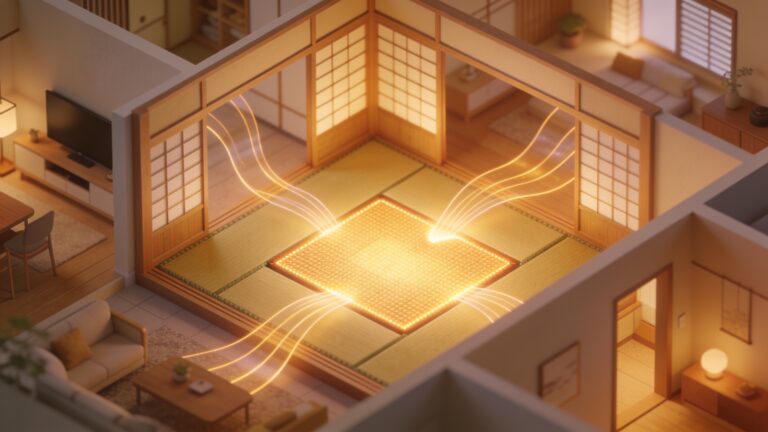
Japanese design treats the boundary between indoors and outdoors as something to blur, not reinforce. Large sliding doors, engawa (covered verandas), and strategically placed windows all pull the garden into the living space.
This connection shows up in smaller ways too. Homeowners choose furniture and decor that echo natural forms, and they place plants where they catch the most natural light rather than where they fit convenience.
A few practical ways to bring this principle into any home:
- Replace heavy curtains with sheer or paper-based screens that let light filter through softly.
- Position a single potted plant, like a bonsai or bamboo stalk, near a window rather than scattering greenery everywhere.
- Choose furniture with visible wood grain instead of painted or laminated surfaces.
- Frame a view of your yard or sky instead of blocking it with tall furniture.
6. Flexible, Multi-Purpose Spaces
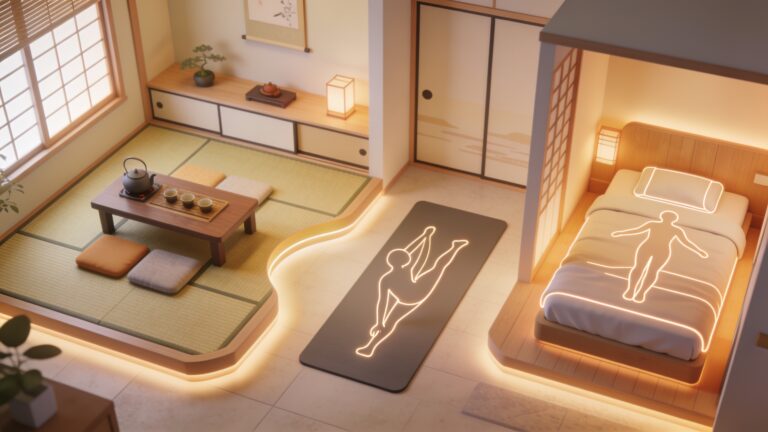
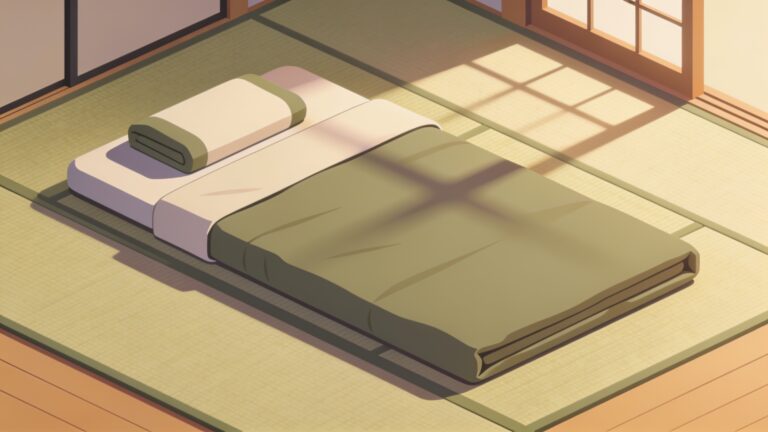
Traditional Japanese homes rely on movable elements like shoji screens and fusuma panels to reshape a room throughout the day. A space used for dining in the evening becomes a bedroom at night simply by rolling out a futon and closing a screen.
This flexibility comes from necessity as much as philosophy. Land has always been limited in Japan, so homes evolved to get more function out of less square footage. Modern apartments anywhere can borrow this idea with sliding partitions, foldable furniture, and storage that disappears behind clean panels.
7. Muted, Earthy Color Palettes
Color in Japanese interiors stays close to what nature already offers. Think soft beige, warm gray, deep brown, muted green, and the occasional black accent for contrast. Bright, saturated colors show up rarely, and when they do, it’s usually in a single small object like a lacquered bowl or a seasonal textile.
This restraint keeps the eye calm and lets texture and light do the visual work instead of color contrast. A room painted in three shades of off-white with wood tones layered throughout feels far more sophisticated than one competing with five bold colors.
8. Light as a Design Material
Light in Japanese design is treated with the same care as wood or stone. Washi paper screens diffuse harsh sunlight into something soft and even, while low-hanging pendant lights create pools of warmth instead of flooding a whole room with brightness.
Shadows matter here too. The classic essay “In Praise of Shadows” by Junichiro Tanizaki argues that Japanese aesthetics were built around dim, layered light long before electric bulbs existed. Modern Japanese interiors still favor warm, low-intensity lighting over the bright white overhead lights common in Western homes.
9. Objects Chosen with Intention
Nothing in a well-designed Japanese room shows up by accident. Every object, from a single vase to a floor cushion, gets selected because it serves a clear purpose or holds genuine meaning for the people living there.
This intentionality connects back to wabi sabi and ma. When you own fewer things, you can afford to choose each one carefully, and you give each object the space it needs to be appreciated rather than lost in a crowded shelf.
Bringing It All Together
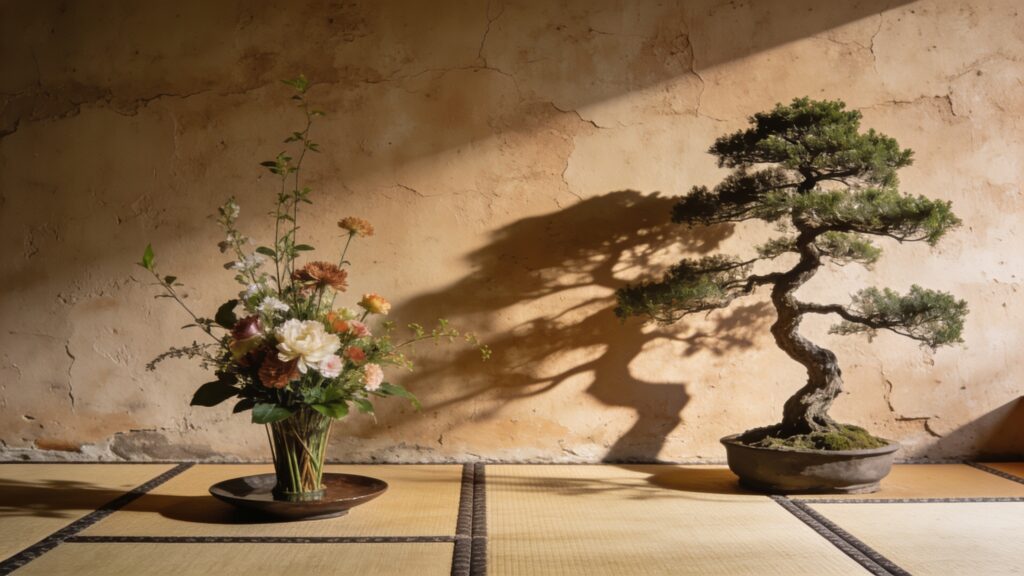
These nine principles work as a system, not a checklist you tick off one item at a time. Ma gives your simplified furniture room to breathe. Natural materials support the wabi sabi appreciation for age and texture. Muted colors and soft light make the connection to nature feel seamless rather than staged.
You don’t need a full renovation to apply this thinking. Start small. Clear one shelf and place a single object on it with intention. Swap a synthetic throw pillow for one in raw linen or cotton. Turn off your overhead light one evening and switch to a single warm lamp instead.
Japanese interior design rewards patience and restraint over quick transformation. Pick one principle from this list, apply it this week, and let your space earn its calm one deliberate choice at a time.