Traditional Japanese Bedroom Styles for Minimalists
 0
0
 0
0
I’ve spent years studying interior design philosophies that actually reduce visual noise instead of just rearranging it. Most “minimalist” bedrooms I see are just empty rooms with expensive furniture. Traditional Japanese bedroom design solves a different problem entirely: it creates calm through intention, not deprivation.
If you’re drawn to clean lines and open floor space, Japanese bedroom design offers a template that’s been refined for centuries. It’s not about owning less for the sake of owning less. It’s about choosing objects and materials that earn their place in the room.
What Makes a Bedroom “Traditionally Japanese”
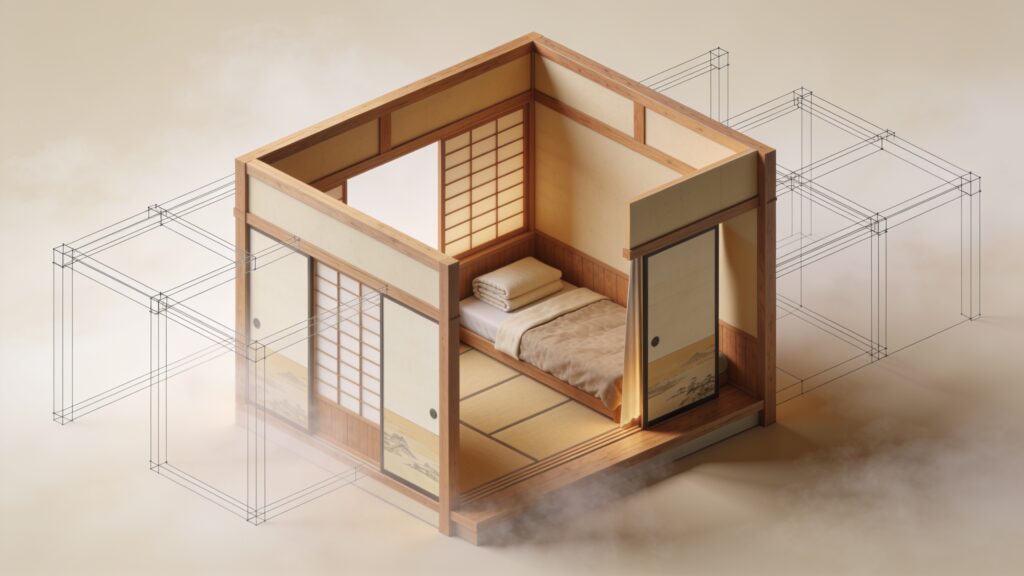
A traditional Japanese bedroom centers on a few core elements: the futon, the tatami mat, natural materials, and a strong relationship with natural light. None of these exist for decoration. Each one solves a practical problem while contributing to a quieter visual field.
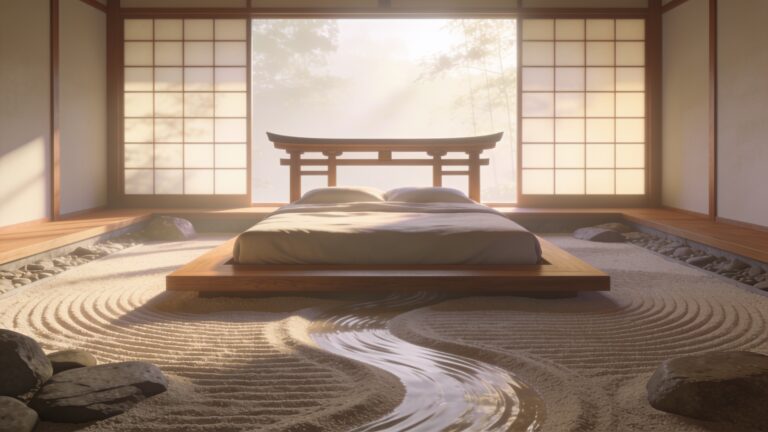
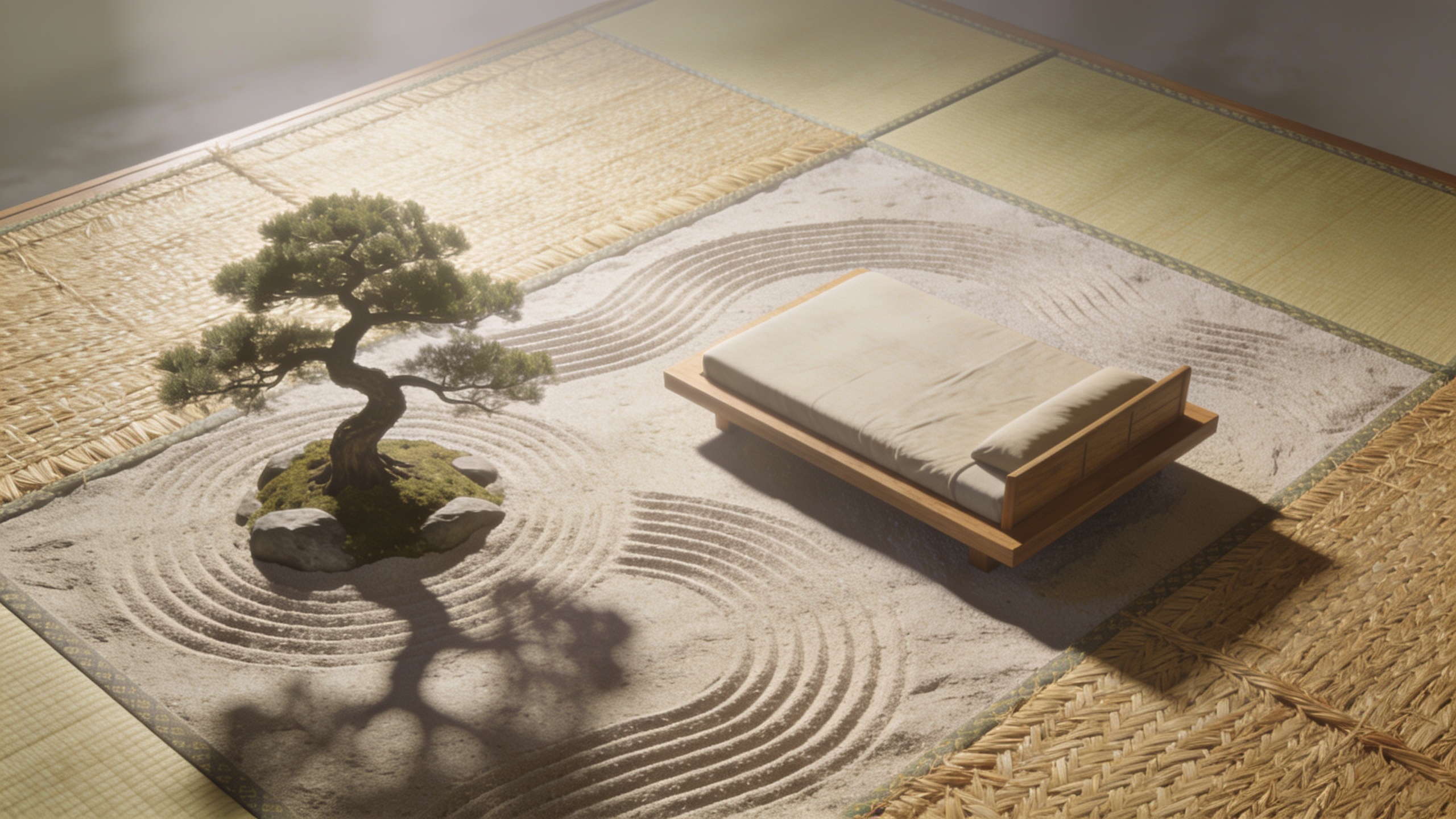
The futon, for instance, is a thin, foldable mattress that gets stored away during the day. This single habit changes the entire feel of a room. Without a bed frame dominating the space, the room can serve other purposes and the floor stays visually open.
Tatami mats, woven from rice straw, give the room its texture and scent. They’re firm underfoot, slightly springy, and they age into a warm golden color over years of use. A room floored in tatami has a completely different sensory quality than one floored in carpet or hardwood.
The Role of Emptiness
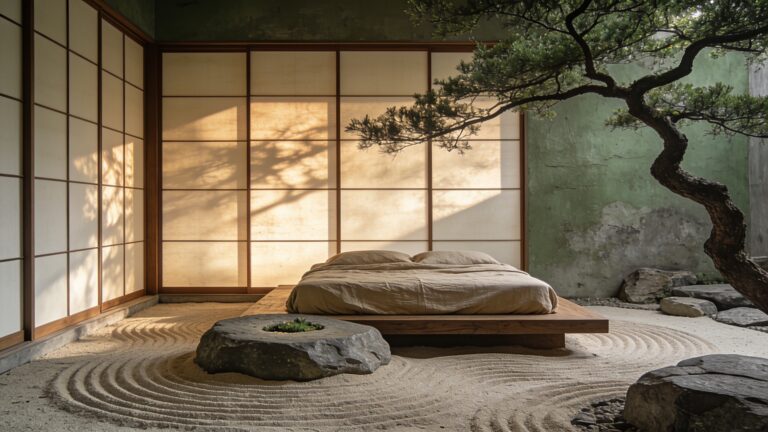
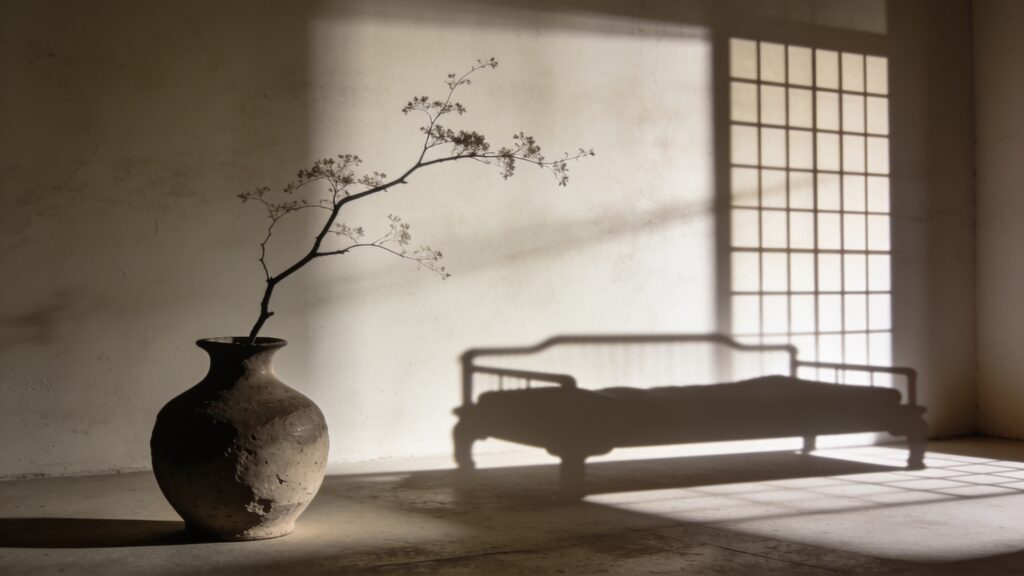
Japanese design has a concept called “ma,” which refers to the meaningful use of empty space. Ma isn’t a void waiting to be filled. It’s a deliberate pause, like the silence between musical notes that gives the notes their shape.
In bedroom design, this means resisting the urge to fill every wall and corner. A single scroll painting on an otherwise bare wall carries more weight than a gallery wall ever could. Space itself becomes a design element, not a failure to decorate.
Core Elements You Can Bring Into Your Own Bedroom
You don’t need a full renovation to borrow from this tradition. Most of these elements can be introduced individually, and each one moves your room closer to that calm, uncluttered feeling.
- Futon or low platform bed: Lowers your visual sightline and opens up the room. A platform bed with a slim profile gets you 80 percent of the effect without needing to fold anything away each morning.
- Tatami-style flooring or a tatami accent mat: Even a single tatami mat under the bed area introduces texture and a subtle grounding scent of dried grass.
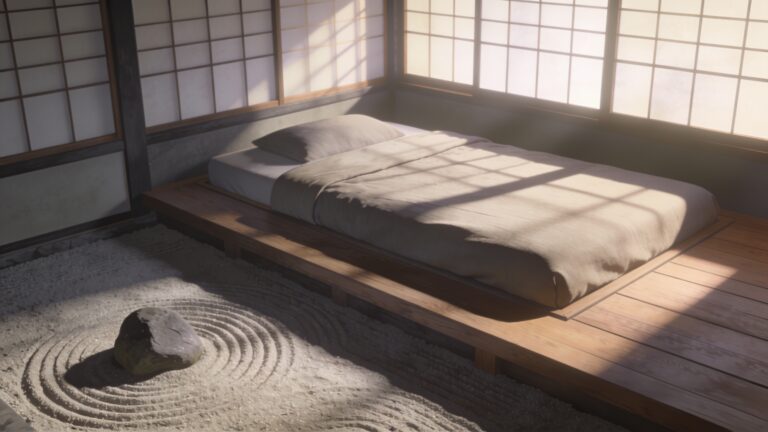
- Shoji-style screens: Paper and wood room dividers or window coverings soften light instead of blocking it outright, giving the room a diffused, gentle glow.
- Neutral, natural color palette: Think unbleached linen, pale wood, charcoal, and soft cream. Avoid saturated colors that compete for attention.
- Low storage furniture: Chests and cabinets kept below window height maintain sightlines and keep the room feeling grounded rather than boxed in.
- A single focal object: One piece of art, one plant, or one ceramic vessel, placed with intention rather than crowded among other decor.
Furniture Choices That Fit the Aesthetic
Furniture in a traditional Japanese bedroom stays low, simple, and made from unfinished or lightly treated wood. Cedar, cypress, and paulownia are common choices because they’re lightweight and resistant to moisture, which matters in a climate with humid summers.
Avoid ornate hardware, glossy lacquer finishes, or heavy upholstered pieces. Every item should look like it could be lifted and moved by one person. That physical lightness translates into a visual lightness that’s central to the whole aesthetic.
Materials and Textures Worth Prioritizing
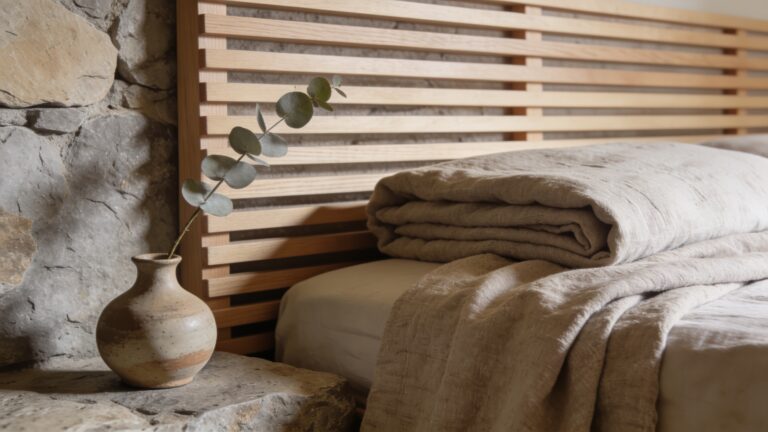
The material palette in Japanese bedroom design does most of the emotional work. Natural fiber, unfinished wood, and paper based elements create warmth without relying on color or pattern.
| Material | Common Use | Why It Works |
|---|---|---|
| Tatami (rice straw) | Flooring | Adds texture, scent, and a soft firmness underfoot |
| Washi paper | Shoji screens, lamps | Diffuses light softly, reduces harsh shadows |
| Unfinished cedar or cypress | Furniture, trim | Lightweight, ages gracefully, subtle natural scent |
| Cotton and linen | Bedding, cushions | Breathable, matches the neutral palette |
| Bamboo | Blinds, small accents | Adds texture without visual weight |
Choosing two or three materials from this table and repeating them throughout the room does more for cohesion than any amount of coordinated paint colors. Repetition of natural material is what makes the space feel intentional rather than sparse.
Lighting That Respects the Space
Harsh overhead lighting is the fastest way to ruin this aesthetic. Traditional Japanese rooms rely on layered, low-level lighting that changes character between day and night.
During the day, shoji screens filter sunlight into a soft, even glow that removes hard shadows. At night, a single floor lamp with a paper shade, placed in a corner rather than centered in the room, gives enough light to move around without flooding the space. Warm bulbs in the 2700K to 3000K range match this mood far better than cool white LEDs.
Adapting the Style to a Modern Apartment
Most readers aren’t going to rip out carpet and install tatami flooring, and that’s fine. You can borrow the philosophy without a full commitment to the materials.
Start with the bed. Swap a tall bed frame for a platform bed or even a futon directly on a tatami accent rug. Clear the floor of anything that doesn’t serve sleep or storage. Add one shoji-inspired screen near a window to soften incoming light, and choose bedding in unbleached cotton or linen rather than printed patterns.
Storage matters more in small apartments, so lean on low chests with sliding doors rather than tall dressers. Sliding doors keep the room’s lines horizontal, which reinforces the grounded, low profile that defines the style.
Common Mistakes to Avoid
A lot of attempts at this style drift into something closer to a spa lobby than a bedroom. Here’s where people usually go wrong.
- Overdoing the decor: Bamboo everything, paper lanterns on every wall, and a dozen small Zen objects work against the very idea of ma.
- Mixing too many wood tones: Stick to one or two wood finishes throughout the room, or the natural material palette starts to look accidental instead of chosen.
- Ignoring storage needs: A beautiful, empty room that can’t hold your actual belongings just pushes clutter into a closet, which defeats the purpose.
- Using cold, clinical lighting: Bright white lighting undercuts the warmth that natural materials are meant to provide.
Key Takeaways
Traditional Japanese bedroom design isn’t about owning fewer things. It’s about choosing natural materials, low furniture, and deliberate empty space so the room feels calm rather than sparse. Futons or platform beds, tatami textures, paper-filtered light, and a tight material palette are the building blocks, and you can adopt any single one of them without committing to a full redesign.
Start small. Pick one element from this article, whether that’s a lower bed frame, a tatami accent rug, or warmer lighting, and change it this week. You’ll notice the difference in how the room feels before you’ve spent much money at all.