12 Harmonious Japandi Bedroom Ideas for 2026
 0
0
 0
0
Japandi has moved past trend status. What started as a tidy fusion of Japanese minimalism and Scandinavian warmth has settled into something people actually live with year after year, and the bedroom is where it shows up best. A bedroom needs calm more than any other room in the house, and Japandi delivers that through restraint, natural materials, and a color palette that never shouts.
For 2026, the style is loosening up a bit. Designers are mixing in more texture, a touch more personality, and smarter storage solutions without losing the quiet backbone that made Japandi popular in the first place. Here are twelve ideas worth stealing for your own space.
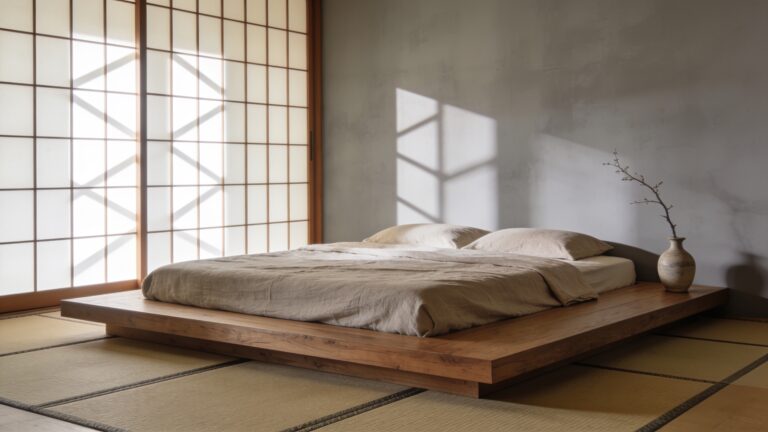
1. Start With a Low, Grounded Bed Frame
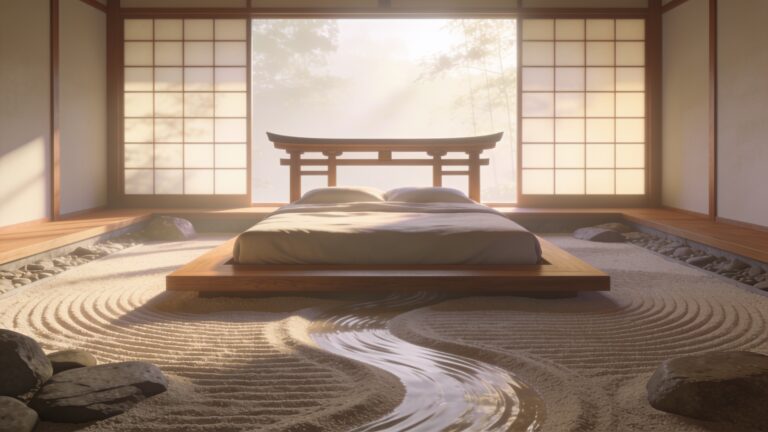
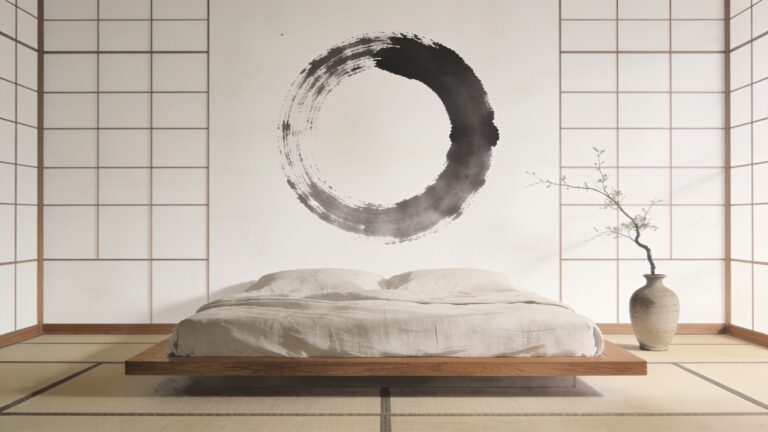
Low platform beds are the backbone of Japandi bedrooms. They echo the Japanese futon tradition and give the room a grounded, horizontal feel that makes ceilings seem higher and space feel calmer.
Look for frames in oak, ash, or walnut with clean lines and no ornate detailing. Skip the tall headboard entirely, or choose one that’s barely higher than the mattress itself.
2. Build Around a Neutral, Layered Palette
The Japandi color story relies on layering rather than contrast. Think warm whites, oatmeal, soft clay, charcoal, and deep forest green used sparingly as accents.
A quick palette guide for 2026 Japandi bedrooms:
| Element | Suggested Tone | Notes |
|---|---|---|
| Walls | Warm white or putty | Avoid stark, cool whites |
| Bed linens | Oatmeal or stone gray | Add a mid-tone throw for depth |
| Wood tones | Light oak or ash | Pair with darker walnut accents |
| Accent color | Rust, moss, or ink blue | Use in one or two spots only |
| Metals | Matte black or brushed brass | Keep hardware minimal |
Stick to two or three tones total in the main palette, then let one accent color carry the room’s personality.
3. Bring in Raw, Unfinished Wood Textures
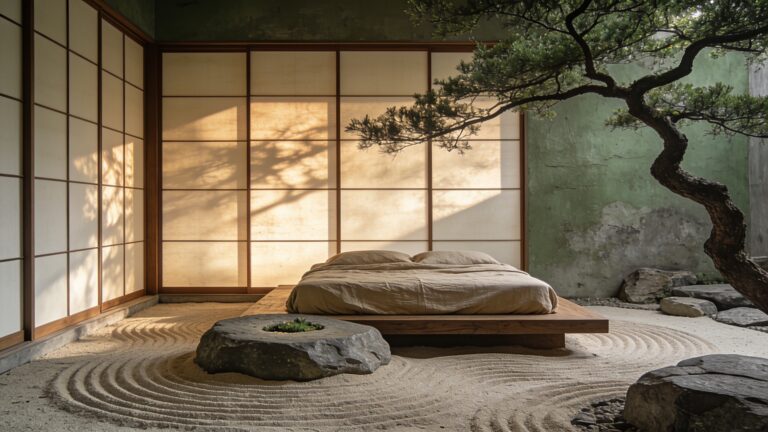
Polished, glossy furniture has no place here. Japandi favors wood that shows its grain, its knots, and even small imperfections, because that’s part of the wabi-sabi philosophy baked into the style.
A nightstand with visible joinery or a slightly rough-hewn edge does more for the room than a lacquered piece ever could. If you’re buying new furniture, look for brands that emphasize solid wood construction over veneer.
4. Use Natural Fiber Rugs and Textiles
Jute, wool, and linen are the texture trio that makes Japandi bedrooms feel tactile instead of sterile. A jute rug under the bed adds warmth without adding visual noise.
Linen bedding is almost non-negotiable at this point. It wrinkles in a way that looks intentional, breathes well, and softens with every wash, which fits the lived-in elegance Japandi is going for.
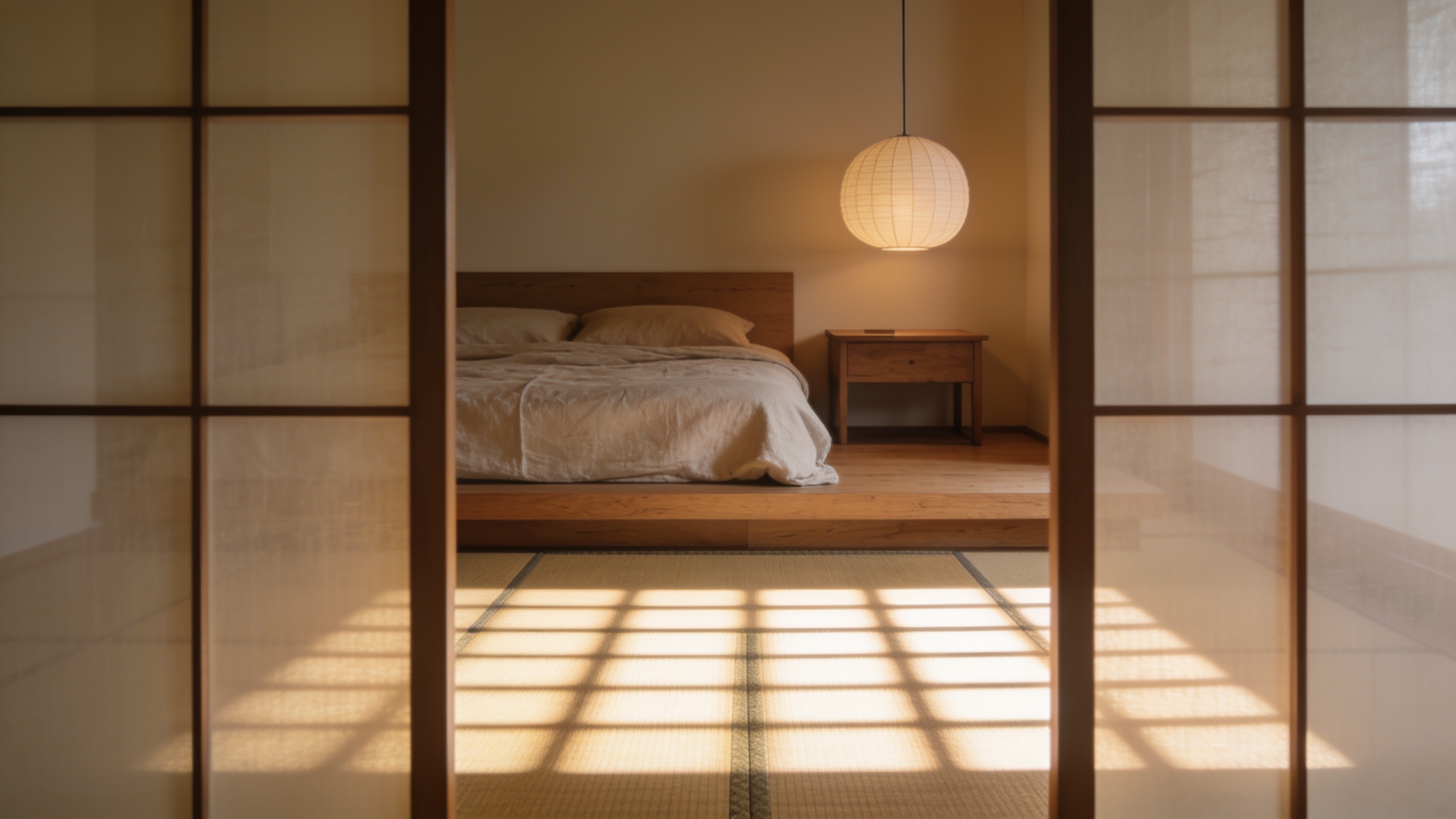
5. Add a Shoji-Inspired Room Divider
Room dividers with a shoji screen influence are having a real moment heading into 2026, especially in smaller apartments where the bedroom doubles as a workspace or reading nook. The rice-paper-style panels diffuse light beautifully and create a soft visual break without closing the room off completely.
You don’t need an authentic shoji screen imported from Japan. Plenty of furniture makers now produce Western-friendly versions with the same wood lattice and translucent panel look.
6. Keep Nightstands Small and Purposeful
Bulky nightstands with multiple drawers fight against the Japandi ethos. A single small table, sometimes just a stool repurposed as a nightstand, keeps the sightline clean.
What belongs on a Japandi nightstand:
- A small reading lamp with a paper or linen shade
- One or two books, stacked neatly
- A small ceramic dish for rings or earrings
- A single stem in a narrow vase
- Nothing else
That last point matters more than people expect. Clutter kills the calm this style is built on.
7. Choose Lighting That Glows, Not Glares
Overhead lighting is the enemy of a Japandi bedroom. The goal is layered, low-level light that mimics candlelight or early evening sun.
Paper pendant lights, floor lamps with fabric shades, and dimmable wall sconces all do the job well. Warm bulbs in the 2700K to 3000K range are essential here. Anything cooler will fight the wood tones and make the whole room feel clinical.
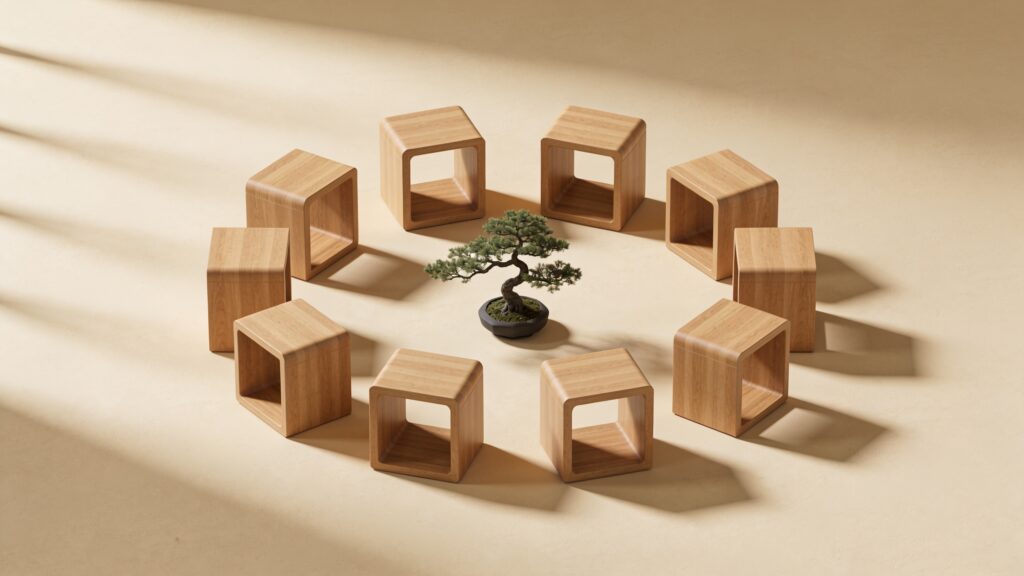
8. Bring the Outdoors In With Plants
A single well-placed plant does more for a Japandi bedroom than a wall full of art. Look at species that fit the aesthetic naturally.
- Snake plant for structure and low maintenance
- Japanese maple bonsai for a direct nod to the style’s roots
- Olive tree for soft, silvery texture
- Peace lily for a bit of quiet elegance near a window
One plant in a simple stoneware pot beats three scattered around the room. Restraint applies to greenery too.
9. Design Storage That Disappears
Clutter is the fastest way to break the Japandi spell, so storage needs to be built into the room rather than added on top of it. Built-in closets with flat-panel doors, under-bed drawers, and floating shelves all keep surfaces clear.
If you’re renting and can’t build in storage, woven baskets and closed cabinets do a solid job of hiding the mess without adding visual weight.
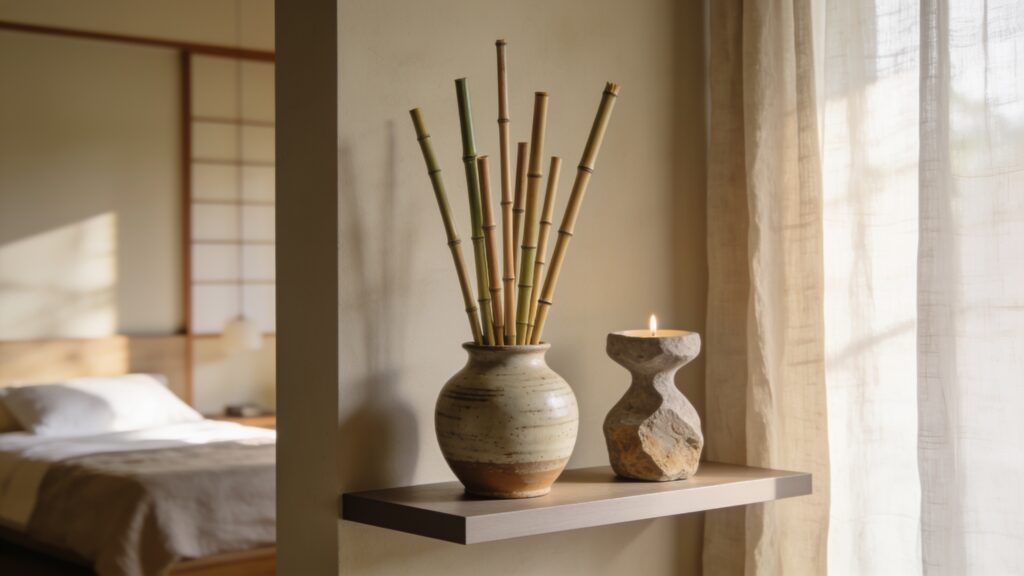
10. Introduce One Statement Ceramic or Pottery Piece
Japandi rooms benefit from a single handmade object that carries weight and story. A rough-glazed vase, an asymmetrical bowl, or a raku-fired piece on a shelf gives the eye somewhere to land.
This is also where you can bring in a bit more personality for 2026. Designers are leaning into imperfect, handmade ceramics over mass-produced decor, and it shows in how much warmer these rooms feel compared to a few years back.
11. Frame the Window, Don’t Cover It Completely
Heavy curtains block the connection to natural light that Japandi depends on. Linen curtains in a sheer or semi-sheer weight let light filter through softly during the day and can be layered with a blackout panel behind them for nighttime.
Bamboo or woven wood blinds also work well and add another natural texture to the room without competing with the furniture.
12. Let Negative Space Do the Talking
The most overlooked idea on this list is also the most important. Empty wall space, an uncluttered floor, and furniture with room to breathe around it are what make a Japandi bedroom feel different from a generically minimalist one.
Resist the urge to fill every wall or corner. A bedroom with one piece of art, one plant, and one textile accent will always feel more intentional than one packed with décor.
Key Takeaways
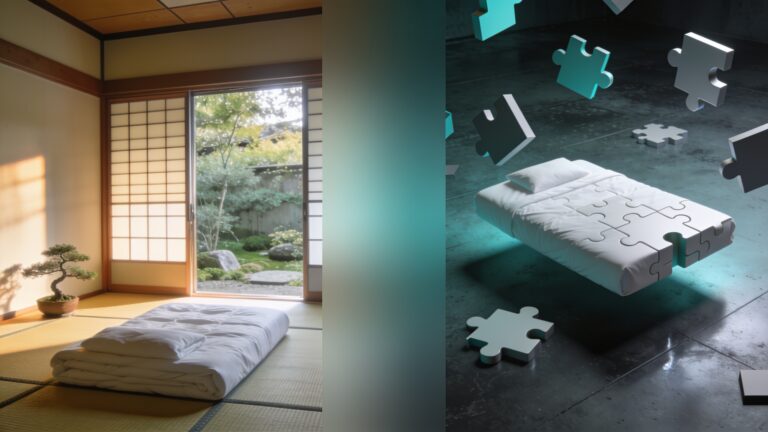
Japandi works because it commits to a philosophy rather than just a color scheme. Low furniture, warm neutral palettes, raw materials, and disciplined editing are the four pillars holding up every idea on this list.
Heading into 2026, the biggest shift is a slight loosening toward handmade texture and personality, without losing the calm that made this style popular in the first place. Pick two or three ideas from this list rather than trying to do all twelve at once. A Japandi bedroom built gradually, with pieces you actually love, will always feel more authentic than one assembled overnight from a shopping list.