A Complete Guide to the Japanese Sleep System
 0
0
 0
0
I spent three years sleeping on a Western mattress before I switched to a Japanese futon system, and I’ll admit I was skeptical at first. A thin mat on the floor sounded like a recipe for a bad back. I was wrong. Once I understood how the system actually works, and why it’s built the way it is, my sleep quality changed for the better, and so did my relationship with my bedroom as a space.
This guide breaks down what the Japanese sleep system actually is, how each component functions, and how to set it up correctly. Most people who try it and fail do so because they skip a step or misunderstand what the futon is supposed to do. I want to fix that here.
What the Japanese Sleep System Actually Is
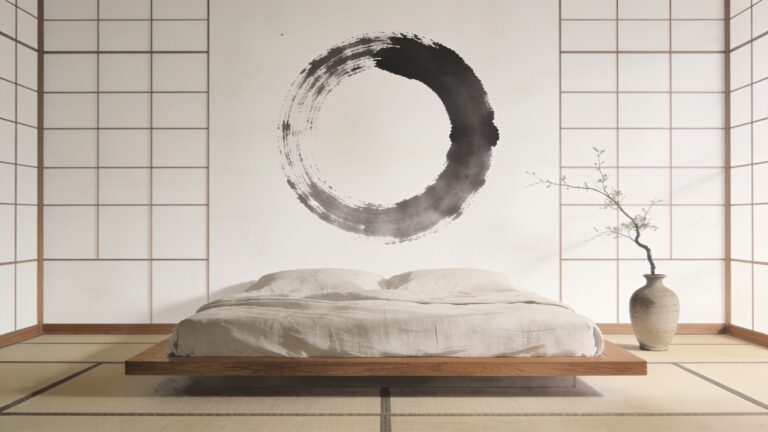
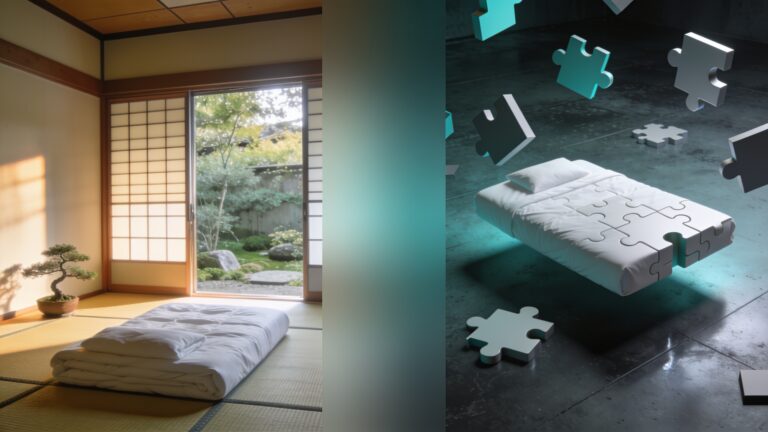
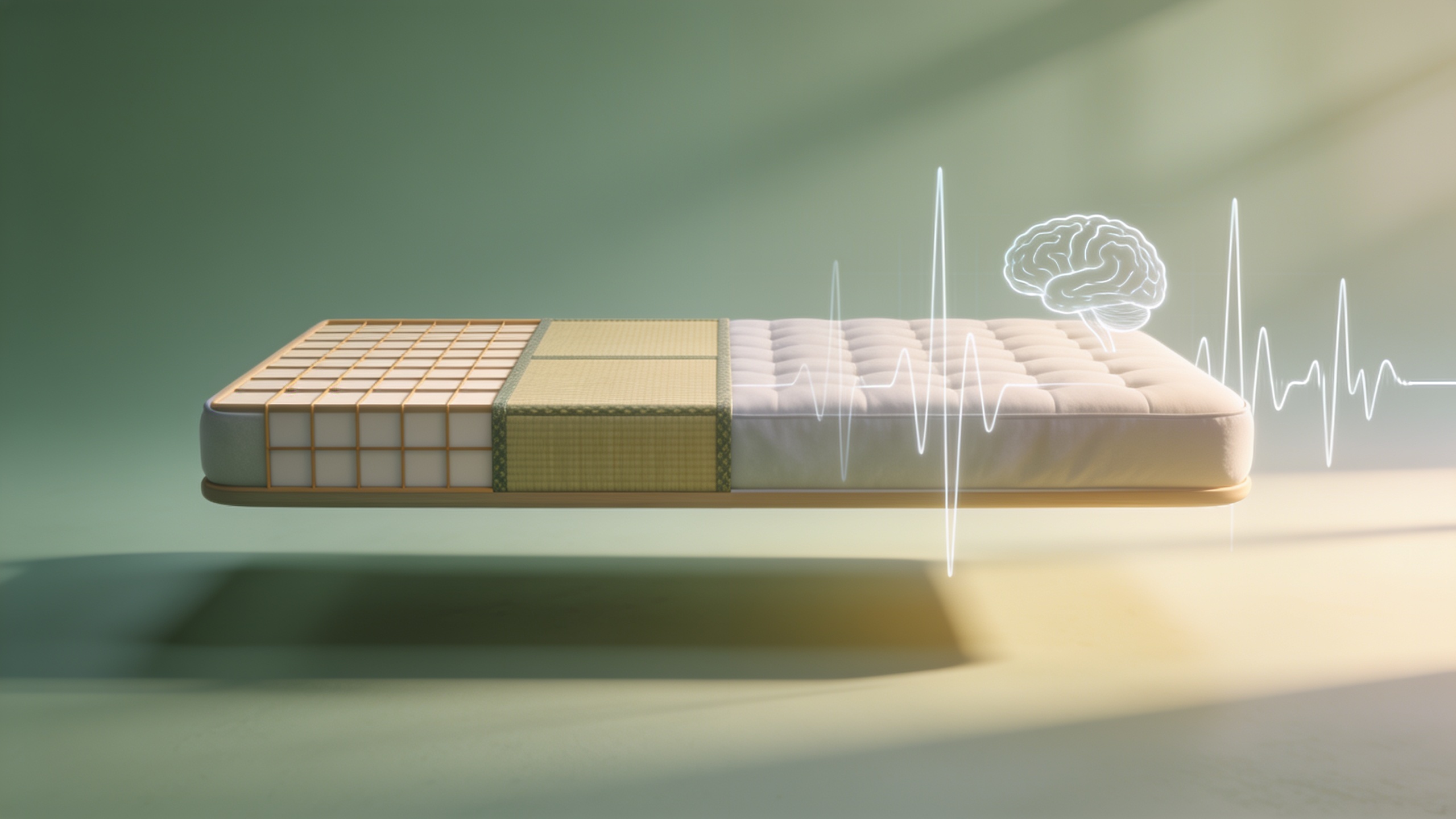
The Japanese sleep system centers on a shikibuton, a thin, firm mattress placed directly on tatami mat flooring or a hard floor. It pairs with a kakebuton, a lightweight comforter, and the whole setup gets folded and stored in a closet called an oshiire every morning. This is a full daily ritual, not just a mattress choice.
The system evolved around small living spaces and multi-purpose rooms. A room that’s a bedroom at night becomes a living room or dining space by day. That flexibility is the entire point, and it’s why the components are designed to be portable, foldable, and quick to air out.
The Core Components
Each piece of the system has a specific job. Skipping one changes how the whole thing performs.
- Shikibuton: The base mattress, usually 2 to 4 inches thick, filled with cotton or a cotton-wool blend. It provides firm, even support rather than the deep cushioning of a memory foam mattress.
- Kakebuton: The top comforter, filled with cotton or synthetic fiber, designed for warmth without bulk.
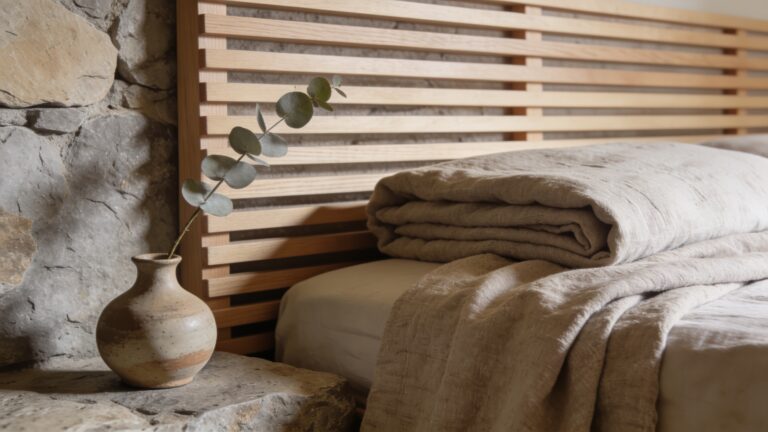
- Makura: A firmer pillow than most Western pillows, often filled with buckwheat husks, beads, or hard cotton to support proper neck alignment.
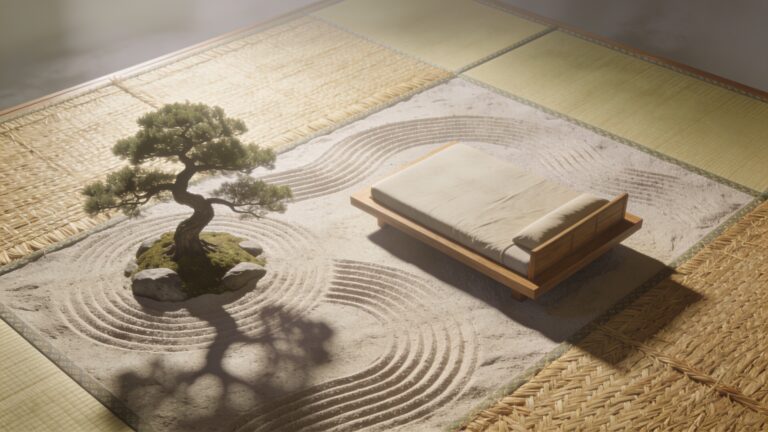
- Tatami: Traditional woven straw mats that form the flooring in a Japanese-style room, adding a small amount of natural cushioning and breathability beneath the futon.
- Oshiire: The built-in closet where the futon gets stored during the day, keeping the room dust-free and multi-functional.
Why Firmness Matters More Than You Think
Western mattress culture sells softness as comfort. The Japanese system flips that assumption. A firm shikibuton keeps your spine in a neutral position because your hips and shoulders don’t sink unevenly into the surface. Side sleepers in particular benefit from this because the shoulder doesn’t collapse into a deep well the way it does on a plush mattress.
I noticed the difference within the first week. My lower back pain, which I’d chalked up to age, eased considerably once my spine had a flat, consistent surface to rest on all night. Chiropractors in Japan often recommend firmer sleep surfaces for exactly this reason, and the shikibuton delivers that without feeling like sleeping on plywood.
That said, firm doesn’t mean rigid. A quality shikibuton has enough give in the cotton fill to cushion your joints without letting your body sink and twist your spine out of alignment. The sweet spot is support with a thin layer of softness on top, not one or the other.
Setting Up Your Space Correctly
Getting the sleep quality benefits requires more than buying a futon and throwing it on the floor. The surface underneath matters, the airflow around it matters, and the daily maintenance ritual matters most of all.
Choosing the Right Floor Surface
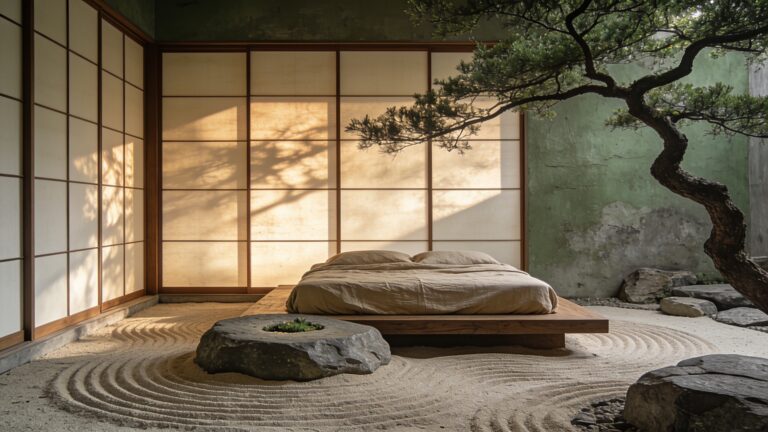
Tatami is the ideal base because it breathes. It’s made of tightly woven rice straw and rush grass, and it allows air to circulate under the futon overnight, which prevents moisture buildup. If you’re in a Western home without tatami flooring, hardwood works fine as a substitute, though you’ll want to add a breathable underlay mat to replicate some of that airflow.
Carpet is the one surface I’d actively avoid. It traps humidity against the bottom of the shikibuton, which leads to mold and mildew over time. If carpet is all you have, a slatted wood bed base designed for futons solves the airflow problem without sacrificing the floor-level sleep experience.
The Daily Airing Ritual
This is the step almost everyone skips, and it’s the one that makes the entire system work long-term. Every morning, the futon gets folded and either stored in the oshiire or hung outside to air out. Your body releases roughly half a liter of moisture overnight through perspiration, and that moisture needs somewhere to go besides your mattress.
In traditional households, the futon gets sun-dried once or twice a week, which naturally kills dust mites and refreshes the cotton fill. If you skip this step for months, the shikibuton develops odor and loses its supportive structure much faster. I air mine out every morning for at least twenty minutes by a window, and it takes less time than making a Western bed with hospital corners.
Comparing the Japanese System to a Western Mattress
| Feature | Japanese Futon System | Western Mattress |
|---|---|---|
| Firmness | Firm, even support | Ranges from soft to firm, often plush |
| Portability | Foldable, stored daily | Fixed, stationary |
| Airflow | High, requires daily airing | Low, trapped inside foam layers |
| Lifespan | 3 to 5 years with proper care | 7 to 10 years |
| Space efficiency | Multi-purpose room, no bed frame needed | Dedicated bedroom furniture |
| Cost | Lower upfront cost | Higher upfront cost |
| Maintenance | Daily folding, weekly sun airing | Occasional rotation, rare cleaning |
The lifespan gap is real, and it’s the biggest tradeoff. Cotton fill compresses faster than pocket coils or high-density foam. But the system costs a fraction of a quality Western mattress, and replacing a shikibuton every few years still comes out cheaper over a decade than one premium mattress purchase.
Who Benefits Most From This System
Not every sleeper gets the same payoff from switching. Back and stomach sleepers tend to see the biggest improvement because firm, even support keeps the spine straight in those positions. People with lower back pain from soft mattresses often report relief within the first two weeks.
Side sleepers can adapt well too, but I’d recommend a slightly thicker shikibuton, closer to 4 inches, plus a supportive makura to keep the neck aligned with the spine. Anyone sharing a small apartment or a room that doubles as an office also gains real practical value, since the daily fold-and-store routine frees up floor space that a Western bed frame would permanently occupy.
Key Takeaways
The Japanese sleep system rewards people who commit to the full ritual rather than just buying the mattress. Firm support improves spinal alignment for most sleeping positions, daily airing prevents moisture and odor problems, and the compact storage makes it a strong option for small living spaces.
If you’re curious, start with a quality shikibuton and a breathable base rather than jumping straight into a full tatami room conversion. Try it for two weeks, commit to the morning airing routine, and pay attention to how your back feels after a week of consistent use. That’s the real test, and it’s the one that convinced me.